
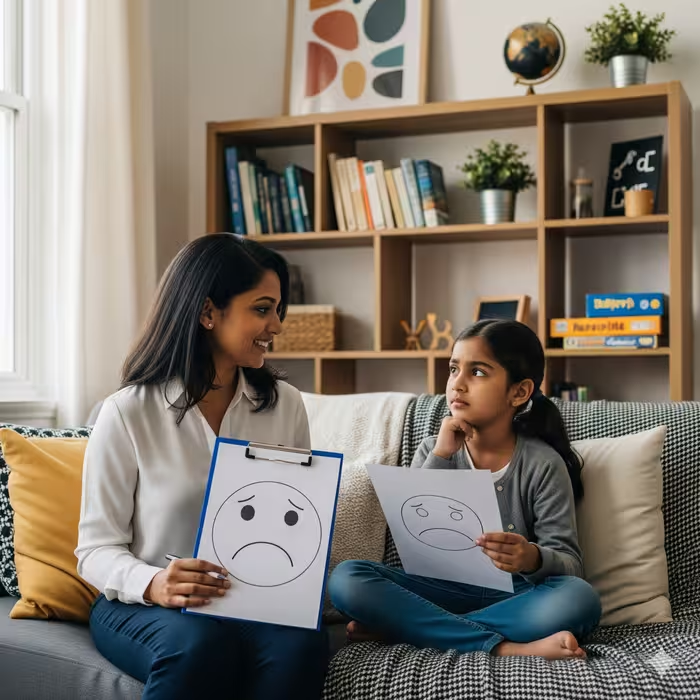
Every child is unique, but challenges like anxiety, bullying, low confidence, or peer pressure can affect emotional growth and behavior. Through child counselling and gentle non-medication child therapy, our psychologists help children and teens manage stress, express emotions safely, and build lasting resilience. With early support, young minds can overcome struggles and grow into calmer, more confident, and emotionally healthy individuals.
Children and teens face unique challenges that can affect their confidence, behavior, and emotional health. Through Childhood & Teenage Counselling, our experts offer early support that helps prevent these concerns from becoming long-term struggles. Using gentle non-medication child therapy and compassionate child counselling, we guide young minds through bullying, peer pressure, anxiety, and low self-esteem, helping them grow into emotionally stronger and more confident individuals.

Leads to fear, isolation, anxiety, or depression.
Avoiding activities, fear of mistakes, body image concerns

Long hours online, social withdrawal, poor academics.

Violence, lying, stealing, or vandalism.
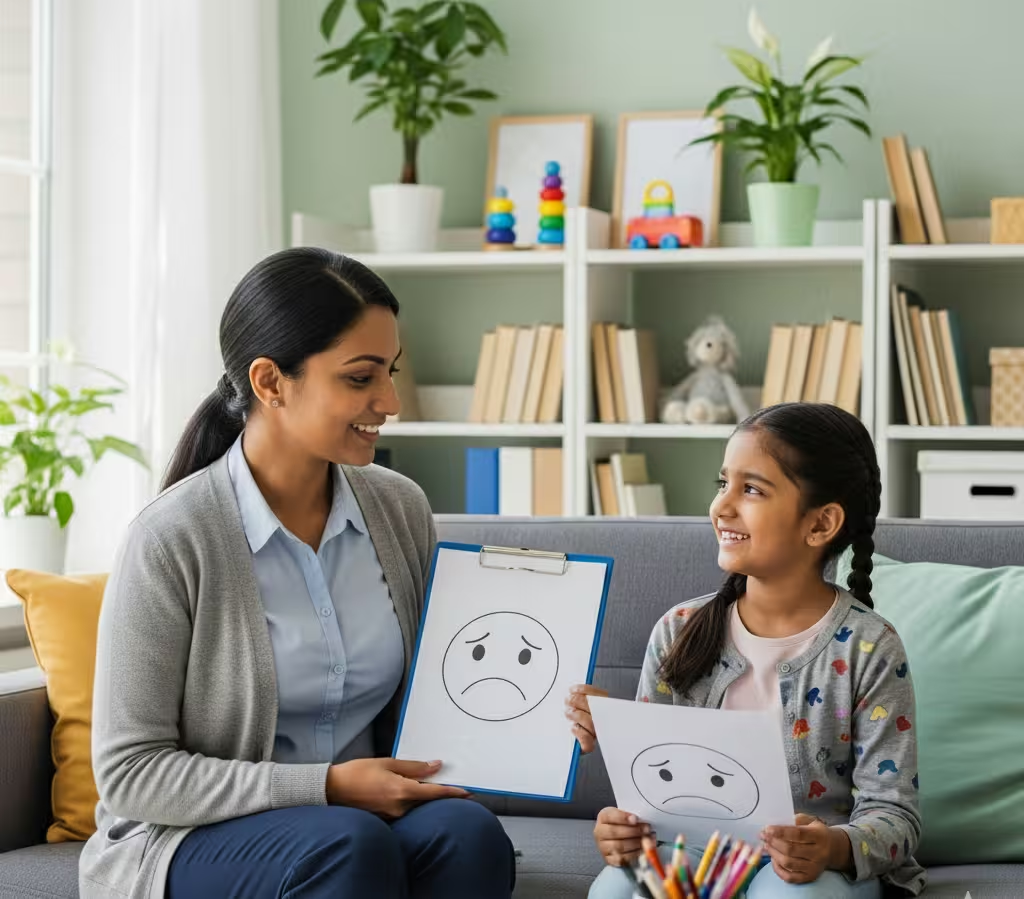
Childhood & Teenage Counselling plays a crucial role in shaping emotional, social, and cognitive development. When challenges like anxiety, peer pressure, or low self-esteem are ignored, they can lead to long-term mental health struggles, poor academic focus, and troubled relationships later in life.
Our approach to child counselling focuses on early intervention, which helps children and teens manage emotions, communicate better, and develop healthy coping skills. Gentle, non-medication child therapy supports emotional growth while building resilience and confidence in young minds.
According to a 2022 report by the National Council of Educational Research and Training (NCERT), nearly 81% of students in India reported anxiety or stress related to academics and peer expectations. Timely counselling can significantly reduce these pressures and improve overall well-being.
Another study from NIMHANS Bengaluru found that children who received regular counselling sessions showed a 45% improvement in emotional regulation and classroom engagement compared to those without psychological support. This reinforces that professional guidance in the early years prevents problems from becoming deeply rooted in adulthood.
Counselling helps by:
Promoting emotional awareness and healthy self-expression
Reducing anxiety, stress, and behavioral difficulties
Improving relationships with parents, teachers, and friends
Building resilience, confidence, and problem-solving abilities
Encouraging long-term emotional balance and mental well-being.
Early support ensures that every child learns to manage stress, build self-confidence, and grow into a balanced, emotionally healthy individual.
Parents and caregivers are the most influential part of a child’s emotional world. The love, attention, and environment they create form the foundation of confidence, resilience, and long-term mental well-being. In Childhood & Teenage Counselling, parental involvement is considered essential, as it helps children feel supported both inside and outside therapy sessions.
Our approach to child counselling encourages open family communication, positive reinforcement, and a healthy home environment. Studies from NIMHANS Bengaluru show that children whose parents actively participate in therapy show a 52% higher improvement in emotional regulation and confidence compared to those who don’t receive family support.
How Families Can Help
Open Communication: Create a safe space for children to share their thoughts and emotions freely.
Strengthen Bonding: Spend quality time, listen without judgment, and stay emotionally available.
Encourage Positives: Celebrate small achievements and recognize progress to build self-confidence.
Healthy Home Environment: Maintain routines, reduce conflicts, and nurture a calm, secure atmosphere.
“When parents become partners in counselling, healing happens faster and lasts longer.”

(Areas Often Discussed in Sessions)
We provide a safe, supportive space where children and teens can share openly. Every plan is customized to their needs, combining proven methods that build resilience, emotional regulation, and healthy coping skills.
Need something beyond personalised Counselling? Ask for a Custom Treatment Plan.
Our psychologist listens to concerns, observes behavior, and creates a personalized therapy plan.
We help children identify and express thoughts and feelings in a safe, non-judgmental space.
Guided sessions use age-appropriate methods to build coping skills, confidence, and healthier behavior.
Regular reviews, parent guidance, and follow-ups ensure long-term growth and emotional resilience.

Still have questions about therapy or treatment?
Our psychologists are here to listen and guide you. Book a consultation today and take your first step forward.
If your child shows persistent changes in behavior, mood, academics, or social interactions, counselling can provide early support before issues worsen.
Sessions are designed to be age-appropriate. Younger children may use play and creative activities, while teens engage in open discussions and coping strategies.
Yes. Parents are guided on how to support their child at home. Some sessions may include family therapy to strengthen communication and bonding.
It varies depending on the child’s needs. Some children show improvement in a few weeks, while others may need longer-term support.
Yes, confidentiality is maintained to build trust. However, parents are kept informed about overall progress and any concerns that require their attention.