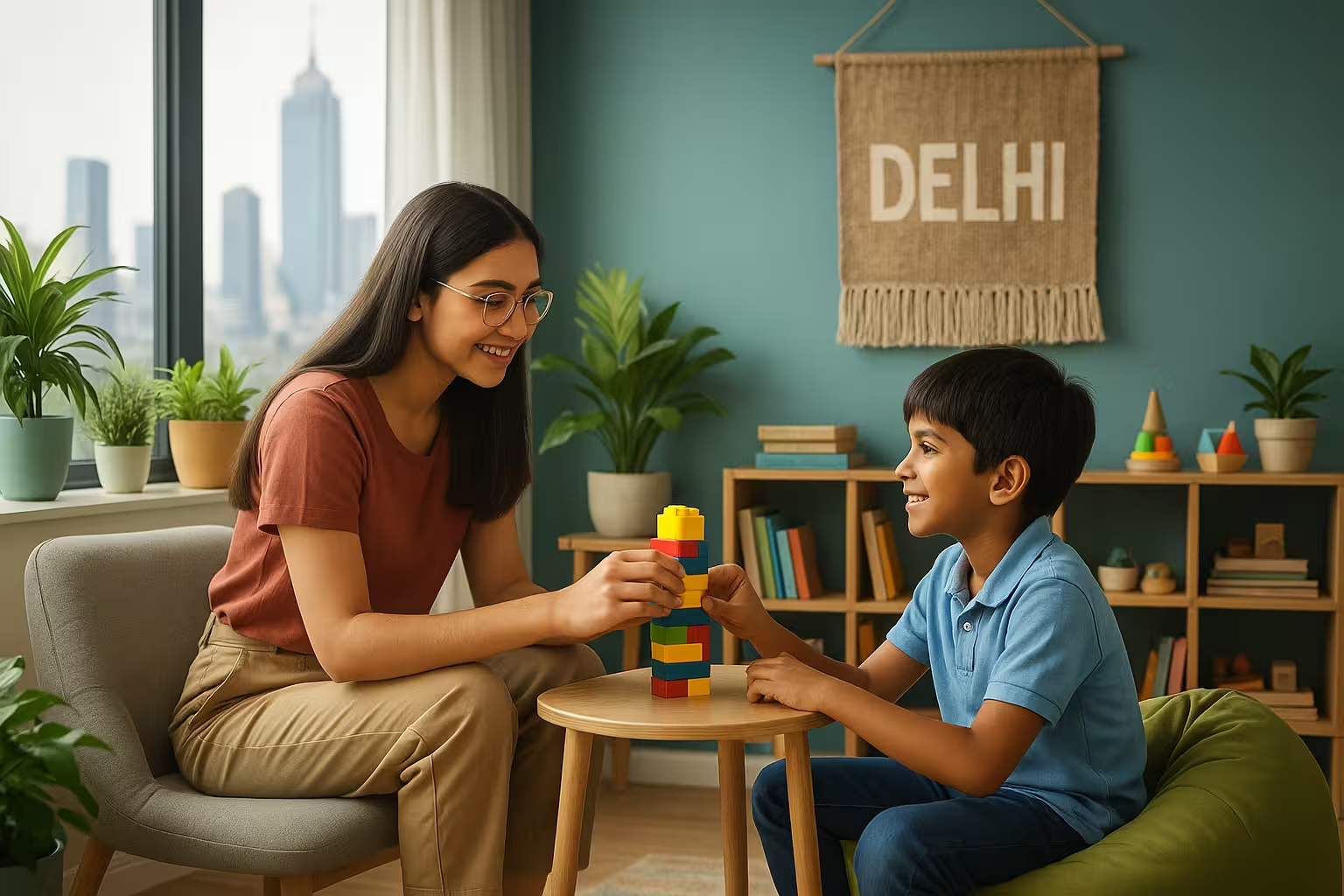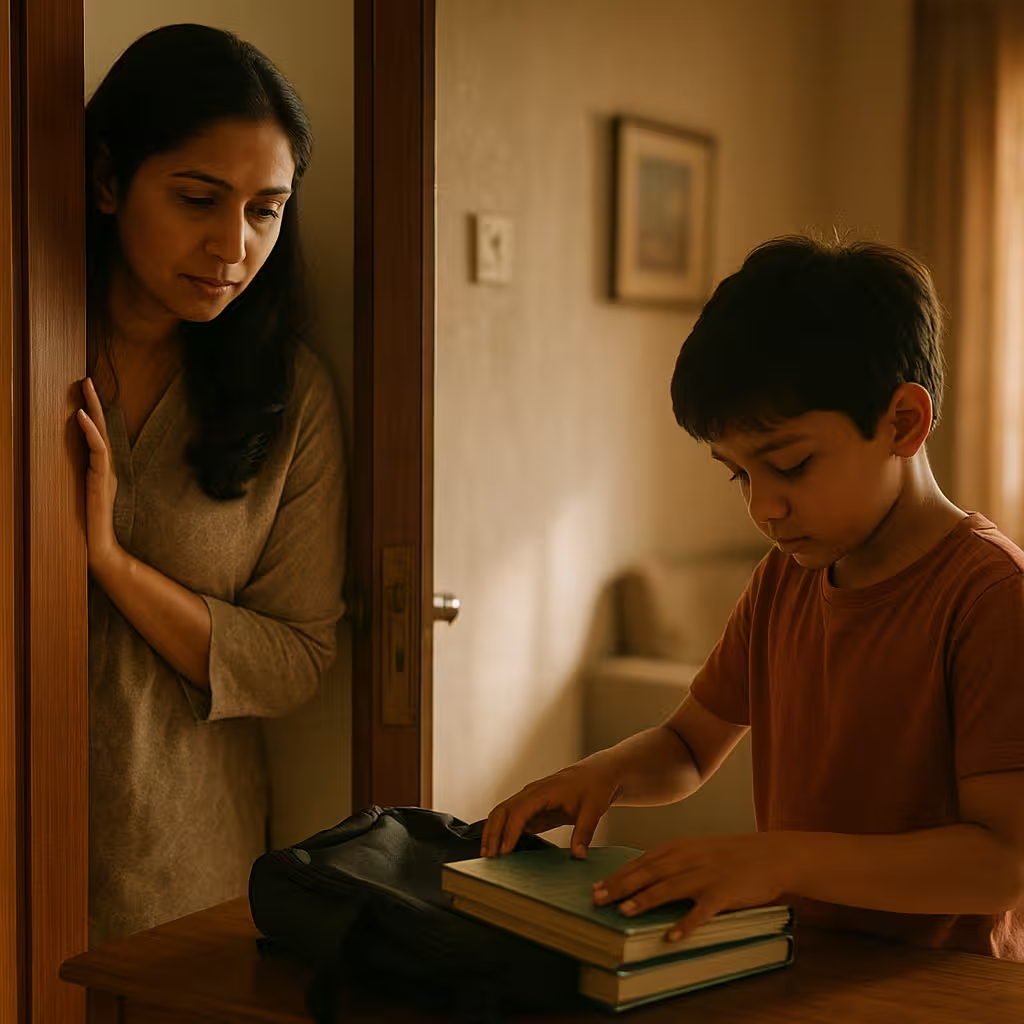
Story began quietly, in small moments his parents first brushed off light switches pressed again and again, school bags arranged in a perfect line, and a fear that something “bad” might happen if he didn’t repeat these actions. His parents didn’t know yet that he needed child OCD treatment without medication, but they could sense that he wasn’t acting like his usual, playful self. So, they started looking for answers that felt safe and gentle for a ten-year-old. Many parents also explore child OCD treatment without medication when reassurance-seeking becomes part of a daily loop that affects school and home routines.
When the routines grew heavier and his schoolwork suffered, they reached out for help. This decision marked the start of OCD treatment for kids journey, a path shaped by understanding, patience, and steady guidance. His worries weren’t random what he experienced closely matched patterns seen in child anxiety and compulsions, something many children deal with silently.
Boy’s turning point came when his parents learned that behavioural therapies are proven to help children manage and overcome symptoms without relying on medication. Research shows that structured behavioural therapy can significantly reduce symptoms in young children. This gave them the confidence to move ahead with a therapy-led plan.
“Sometimes the smallest step toward help becomes the biggest step toward healing.”
Child OCD Treatment Without Medication in Early Struggles
In the beginning, the child’s habits looked simple, almost like everyday routines many children follow. Over time, small actions began taking longer, and familiar tasks became harder to finish calmly. These early signs made the family pause and think about what was happening beneath the surface. They wanted to understand child OCD treatment without medication because they hoped for a gentle and supportive way to guide the child without creating fear or pressure. This phase showed them that early awareness can make a big difference when a child quietly struggles.
How OCD Treatment for Kids Became Necessary When Symptoms Grew
As weeks passed, the child’s repetitive habits slowly became stronger. Everyday tasks felt heavier, and even morning routines turned stressful. The family noticed that the child looked tense whenever a ritual was interrupted. These patterns helped them understand why OCD treatment for kids was necessary.
They also recognised signs of child anxiety and compulsions that often appear at this age. Because of this, they wanted an approach rooted in child OCD treatment without medication, something that focused on understanding rather than fear. Some of the behaviours they saw included:
- repeating small tasks before feeling settled
- worrying when routines changed
- spending extra time checking or arranging things
Rising Child Anxiety and Compulsions in the Daily Routine
As routines continued, the child felt growing pressure from inside. There were moments when the child tried to stop certain habits but felt a strong wave of discomfort. These reactions helped the family understand how child anxiety and compulsions can take hold in everyday situations.
They wanted support aligned with child OCD treatment without medication, hoping it would help the child manage overwhelming feelings more smoothly. They observed that certain parts of the day became difficult, such as:
- getting ready without checking things repeatedly
- finishing schoolwork without redoing tasks
- eating meals without arranging items again and again
This period showed the family that behavioural strategies were needed to help the child move toward balance and calmness.
Assessment and the Start of the Child’s OCD Treatment for Kids Plan
When the family first reached out for help, they wanted to understand what was happening beneath the child’s growing discomfort. Simple routines were turning into long moments of hesitation, and familiar tasks felt heavier than before. This made the family realise that early assessment was important. They also wanted an approach rooted in child OCD treatment without medication so the child could move through the process gently. The assessment phase helped everyone see patterns, emotions, and triggers that had quietly become part of the child’s day.
Trigger Mapping and Behavioural Therapy Insights
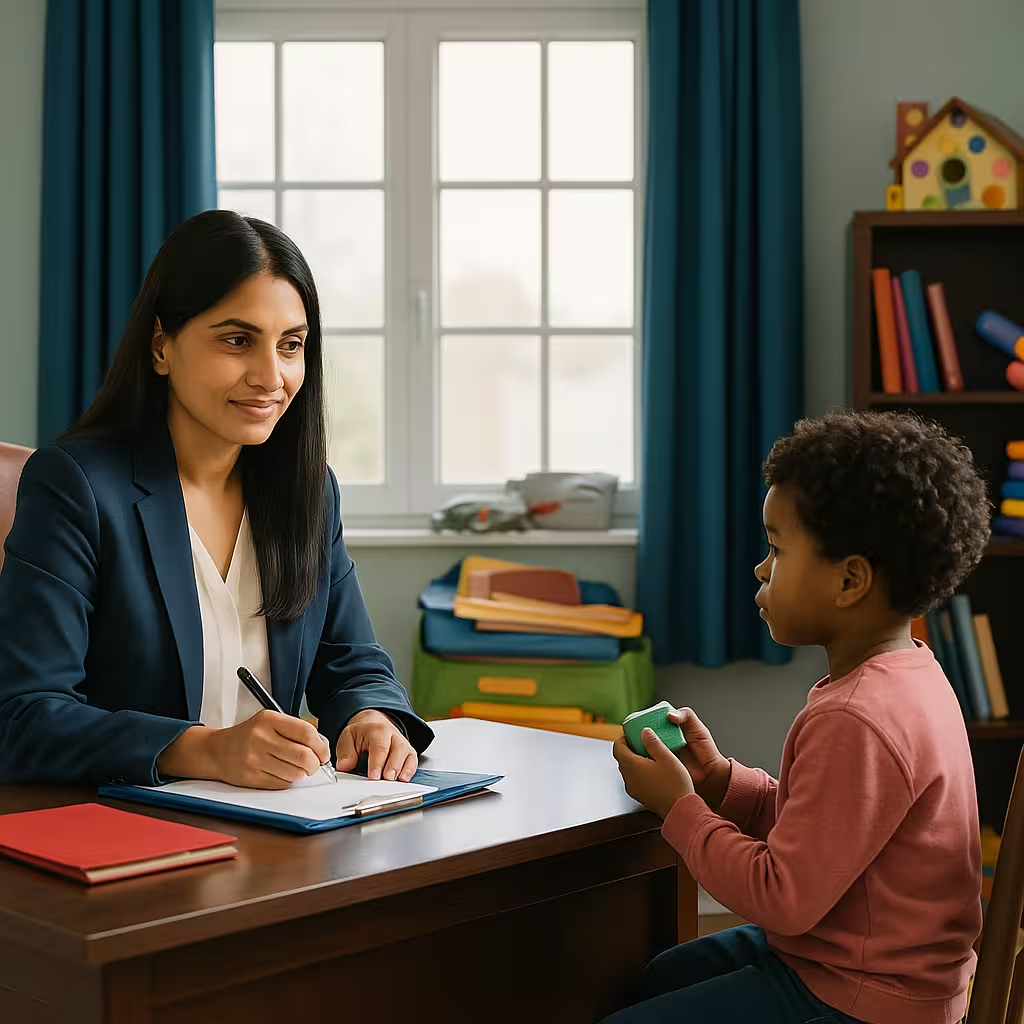
During the initial sessions, the therapist spent time understanding the child’s internal reactions. Small details—like the way the child looked around the room before beginning an activity offered clues about rising child anxiety and compulsions. These observations helped guide the behavioural therapy for OCD approach that would later support the child’s recovery.
Some of the key things explored included:
- situations that made the child repeat actions
- moments where discomfort grew suddenly
- patterns that suggested strong internal pressure
Emotional Understanding and the Need for ERP
As conversations continued, the child slowly shared what felt difficult. The therapist listened to moments of worry, hesitation, and discomfort. These honest exchanges helped the family learn more about why ERP therapy for children was needed. Through gentle talks, the therapist could see which situations caused the child to feel stuck and which fears felt the strongest.
This phase helped everyone understand why this specific approach works so well for OCD treatment for kids. The emotional groundwork made the next steps clearer. Bullet points the therapist explored included:
- moments when the child felt trapped by thoughts
- fears that kept repeating throughout the day
- situations avoided because they felt overwhelming
This understanding laid the foundation for moving ahead with structured ERP work.
The 16-Step Recovery Plan for Child OCD Treatment Without Medication
The recovery journey began with a clear structure that helped the child feel supported instead of overwhelmed. The family wanted an approach rooted in child OCD treatment without medication, so the therapist introduced a detailed 16-step plan. This plan helped break large challenges into smaller, manageable parts. Each step gave the child steady guidance, and each phase built confidence slowly. The aim was simple reduce distress, manage behaviours, and strengthen emotional understanding using proven behavioural therapy methods. The structure made the child feel safe, and the family could see progress more clearly as each step unfolded.
Behavioural Therapy Structure
The foundation of the program was behavioural therapy for OCD, designed in a way that a young child could follow comfortably. The therapist began by understanding how the child reacted to daily situations and slowly introduced supportive techniques. These techniques helped reduce child anxiety and compulsions over time, making routines feel less stressful and easier to manage.
Bullet points used during this phase included:
- identifying thoughts that triggered discomfort
- teaching ways to respond differently to repetitive urges
- creating small, achievable tasks for early wins
This structure formed the base of the 16-step path under child OCD treatment without medication.
ERP Steps and Strength Building
As the child grew more comfortable, the plan moved into ERP therapy for children. This part helped the child face fears gradually, instead of avoiding them. Each step was introduced slowly, allowing time for understanding and adjustment. The therapist encouraged the child to take small risks, which helped build emotional strength.
Some areas they explored were:
- approaching tasks that felt uncomfortable
- practising small exposure tasks with gentle support
- reducing reliance on repetitive behaviours in daily routines
This phase also reinforced ideas introduced earlier, helping the child see how ERP strengthens responses and reduces distress. It was an essential part of the overall plan for OCD treatment for kids.
Family Support and the 16-Step Path
Family involvement played an important role in the recovery journey. The therapist guided the family on how to respond in ways that supported progress rather than adding pressure. This alignment helped the child feel understood and encouraged, especially during more challenging parts of the plan. Family participation also made OCD treatment for kids more effective, as daily moments at home became opportunities for practice.
Family work focused on:
- reducing reassurance that fed repetitive behaviours
- creating predictable routines to lower stress
- celebrating progress, even when small
16-step recovery plan followed during treatment:
- Detailed clinical assessment
- OCD narrative mapping
- Cognitive deconstruction
- Emotional pattern identification
- Thematic counselling
- Trauma identification and healing
- Personalised CBT plan
- Customised ERP design
- Behavioural corrections
- ACT methods for acceptance
- Lifestyle and wellness integration
- Family engagement training
- Daily session monitoring
- Weekly performance analysis
- Three-layer recovery validation
- Post-recovery support
This complete structure helped the child move forward with clarity and steady improvements.
Pratibha Gupta and Her Team Supporting
The child’s progress depended on a calm and supportive environment, and that’s exactly what the team at MyPsychologist worked to create. Under the guidance of Pratibha Gupta, the process stayed structured and gentle. The family felt reassured knowing that the entire approach focused on child OCD treatment without medication. Every step gave the child space to understand what was happening and feel safe while moving forward. With steady guidance, the child slowly started adjusting to the routines and tools shared in each session.
Child-Focused Behavioural Therapy Approach
The team relied on behavioural therapy for OCD, tailored specifically for young children. They made sure the techniques felt simple and manageable. The child was encouraged to observe feelings without fear, and this helped reduce child anxiety and compulsions in small but meaningful ways.
Some parts of this approach included:
- breaking challenges into small tasks
- helping the child notice feelings before rituals began
- modelling calm responses during stressful moments
Feeling Safe Through ERP Support
The next phase used ERP therapy for children in a slow and thoughtful manner. The team worked carefully so the child would not feel overwhelmed. Each exposure was introduced with patience, and the child was guided gently through unfamiliar feelings. This created a sense of safety that made progress possible.
The therapist supported the child through:
- small exposure tasks
- calm discussions before and after each step
- steady encouragement when fears increased
This helped the family see how ERP therapy fit smoothly into OCD treatment for kids and supported the ongoing recovery.
Improvement Through Child OCD Treatment Without Medication
The child’s progress became clear as daily tasks started feeling lighter. There was less hesitation, fewer rituals, and more calm moments during regular activities. The structured plan made it easier for the family to understand what was working and how each step supported the child’s recovery. Over time, the child felt more in control, and the family began seeing hopeful changes through child OCD treatment without medication.
Emotional Changes and Reduction in Anxiety
During the next few weeks, emotional shifts became visible. The child looked calmer in situations that previously caused distress. The family noticed that the child’s reactions were less intense, and the urge to repeat actions began to reduce. These improvements showed how child anxiety and compulsions slowly lose power when supported with the right tools.
Some helpful changes included:
- fewer repetitive actions before school
- more comfort during daily routines
- greater ease in switching tasks
This progress reflected the combined strength of structured therapy and consistent family support.
Building Confidence Through Small Wins
Every small achievement made the child feel stronger. Exposure tasks during ERP therapy for children helped reduce fear, and confidence grew as each step felt easier. This phase showed the impact of patience and routine on recovery through OCD treatment for kids. The family celebrated each moment, which encouraged the child to keep going.
Some important wins were:
- completing tasks without repeating them
- staying calm when routines shifted
- trusting the process even when tasks felt challenging
Why Child OCD Treatment Without Medication Works for Many Children
Non-medication approaches helped the child develop skills that support long-term recovery. Families often prefer this path because it focuses on understanding the child’s thoughts and teaching flexible responses. The method also reduces dependence on external solutions and encourages internal confidence. With a structured approach, child OCD treatment without medication becomes a practical choice for many families despite varying levels of symptoms.
Scientific Support for Behavioural Therapy
Behavioural therapy for OCD has strong scientific backing across different age groups. For children, the approach helps break patterns of fear and repetitive actions. Therapists use simple tools that children can follow without feeling confused or pressured. These research-backed methods explain why behavioural strategies form the core of OCD treatment for kids.
Some proven benefits include:
- reduced frequency of compulsions
- improved emotional control
- better ability to handle daily stress
Long-Term Benefits of ERP Support
ERP therapy for children helps build emotional strength in a steady, realistic way. Children learn to face their triggers without relying on repeated rituals. With practice, their confidence grows, and emotional flexibility becomes stronger. This makes long-term recovery more achievable, especially when families stay engaged.
ERP helps children through:
- exposure to previously avoided tasks
- reduced dependence on rituals
- improved tolerance for discomfort
These benefits support a stable recovery path and help prevent future struggles.
When Parents Should Seek OCD Treatment for Kids
Parents often notice small changes long before they understand what they mean. Early signs might feel confusing at first, but recognising them can prevent difficulties later. Seeking help early gives the child a strong chance of steady improvement. A thoughtful approach like child OCD treatment without medication makes support more comfortable for the child and more manageable for families.
Early Warning Signs Parents Overlook
Some signs of child anxiety and compulsions can hide in daily routines. These moments may appear harmless at first, but they can slowly grow stronger. Parents who understand these early patterns can respond sooner and make the recovery process smoother.
Signs often include:
- repeating actions even when calm
- distress when routines change
- strong discomfort when tasks feel “unfinished”
These behaviours show why seeking help at the right time can make OCD treatment for kids more effective.
Preventing Long-Term Challenges With Early Therapy
Starting behavioural therapy for OCD early helps children build coping skills before habits become deeply fixed. Therapists create simple plans that the child can follow, using ERP therapy for children to gradually reduce fear. This early work gives families clarity and helps avoid future emotional pressure.
Therapy supports families by:
- teaching children new ways to respond
- reducing the intensity of rituals
- building emotional flexibility for future situations
This early support keeps recovery steady and manageable.
Conclusion
The child’s journey showed how steady guidance, emotional understanding, and a structured plan can bring meaningful change without relying on medication. With consistent support at home and a clear therapy framework, daily stress slowly reduced, and confidence grew. Approaches based on child OCD treatment without medication help children feel safe while learning new ways to handle fears and repetitive urges. Small steps over time created real progress, reminding us that recovery becomes possible when the process is gentle, predictable, and guided with care.