
Medication for OCD in Kids: When Is It Actually Needed?

When your child struggles with Obsessive-Compulsive Disorder (OCD), every parent faces the same tough question “Does my child really need medication?” Understanding medication for OCD in kids can feel confusing and emotional. It’s a decision filled with love, fear, and responsibility. While therapy remains the first line of treatment, medication can play an important role […]
How Parents Can Support a Child During OCD Treatment at Home

When your child is diagnosed with Obsessive-Compulsive Disorder (OCD), it can feel like your world has shifted overnight. Many parents describe the experience as walking on eggshells—unsure what might trigger their child’s fears, rituals, or repetitive behaviors. But here’s the hopeful truth: you play a crucial role in your child’s healing. Understanding how parents can […]
CBT for OCD in Children: How Exposure Therapy Really Works

When parents hear the term “therapy” for their child, they often imagine long sessions of talking or analysis. But for children with OCD (Obsessive-Compulsive Disorder), one treatment stands above all Cognitive Behavioral Therapy (CBT), especially a method called Exposure and Response Prevention (ERP). This scientifically proven therapy has helped thousands of children regain control of […]
What Triggers OCD in Children? Psychological and Biological Factors Explained

Every parent has seen their child develop habits — checking homework twice, washing hands before meals, or organizing toys. But what if these routines become constant, rigid, and filled with fear? When habits start to control a child instead of helping them, it might point to Obsessive-Compulsive Disorder (OCD). Understanding what triggers OCD in children […]
Difference Between OCD and Anxiety in Children: How to Tell Them Apart

When a child feels anxious before a big exam or becomes restless before going to school, most parents see it as normal nervousness. But what if that fear never seems to end? What if the child washes their hands again and again or checks the door locks every night before bed? That’s when many parents […]
OCD in Children: 6 Proven Signs and Treatments Every Parent Must Know

There is a child who wants to finish homework, but can’t start until the pencils are lined up in perfect order. For many families, this may look like a harmless quirk or even a sign of discipline. But when such routines start taking over delaying school mornings, interrupting playtime, or causing meltdowns at bedtime, it […]
Natural Ways to Cure Depression: Lifestyle Changes That Work

Depression affects more than 280 million people worldwide (WHO), and India carries a significant share of this burden, with nearly 45 million people living with depression. Many patients and families still believe that only medicines can cure depression, but research and clinical experience show otherwise. With the right lifestyle changes and therapy-first approaches, it is […]
Best Psychologist for Depression in India: How to Choose the Right Counsellor

Depression is one of the most common yet misunderstood mental health challenges in India. According to the National Mental Health Survey (2016), nearly 45 million Indians live with depression at any given time, a number larger than the population of several countries. What’s more concerning is that fewer than one in three people receive the […]
Depression Treatment Without Medicine: Best Psychologists, Counsellors & Therapists in India
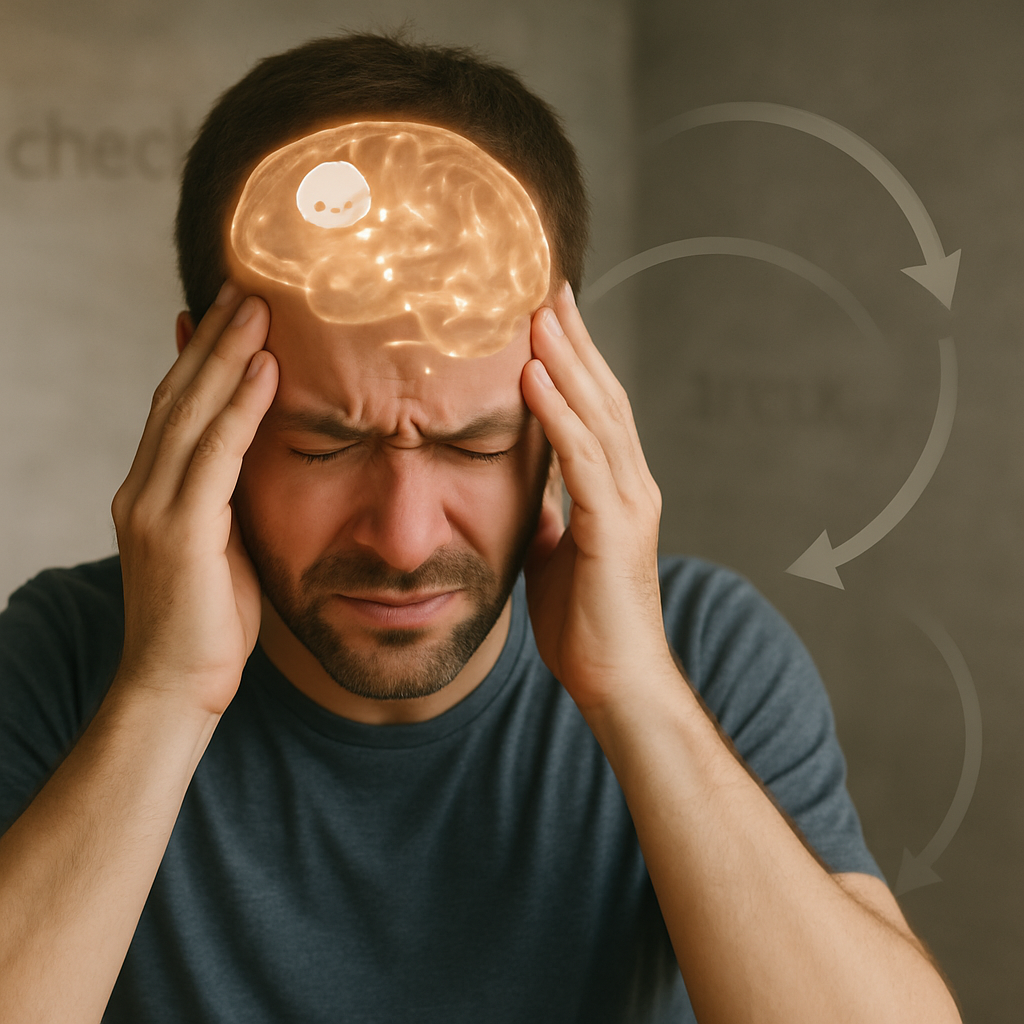
Depression is one of the leading causes of disability worldwide, affecting more than 280 million people globally according to the World Health Organization (WHO). In India alone, studies suggest that one in every 20 people suffers from depression, and less than 30% receive adequate treatment due to stigma and lack of awareness. Depression is not […]