When a child scared of their thoughts comes to you, it can feel heavy because you want to understand what’s happening without making them more worried. I think the first step is staying steady. Kids look at your face and your tone before your words, and they pick up every small signal. You know how even adults sometimes feel shaken by their thoughts? For children, that confusion can feel much louder.
When you’re trying to figure out how to talk to an anxious child, the real focus is helping them feel safe enough to speak. Many kids hide their fears because they assume something is wrong with them. Your gentle questions, patient pauses, and simple language can make it easier for them to open up without feeling judged.
Here’s the thing, some kids don’t have the words yet. That’s where child anxiety communication tips can help. And helping kids express fears often means giving them tools that feel familiar, like drawing, writing small phrases, or even pointing to pictures. These small methods help them share what feels too big to say out loud.
Research from the Child Mind Institute shows that when parents respond calmly and supportively during anxious moments, children feel safer and are more able to talk about their scary thoughts.
“Your steady presence becomes the place where their frightening thoughts lose some of their power.”
Understanding Why a Child Is Scared of Their Thoughts
So, when you look at a child scared of their thoughts, the first question that comes to mind is usually why these thoughts feel so intense for them. I think children often don’t understand where certain ideas come from, and that confusion makes everything feel bigger. You know how adults can pause and analyse what’s going on inside? Kids don’t have that skill yet. Their inner world feels loud, fast, and sometimes frightening. This section helps you see what’s happening beneath the surface so you can talk to them with more clarity and confidence.
What Makes a Child Scared of Their Thoughts
Here’s the thing, children experience thoughts as real events, not mental activity. When something unusual or surprising pops into their heads, they may believe it means something bad about them. This makes a child scared of their thoughts even when the thoughts are normal. Their brains pick up emotional signals quickly, and they react before understanding what’s happening. You might notice that they look tense or suddenly quiet because they fear what the thought means.
A few common triggers include:
- Sudden images or ideas they don’t understand
- Confusing feelings that show up without warning
- Fear that thoughts will come true
- Worry about disappointing parents
Early Signs of Anxiety in Children
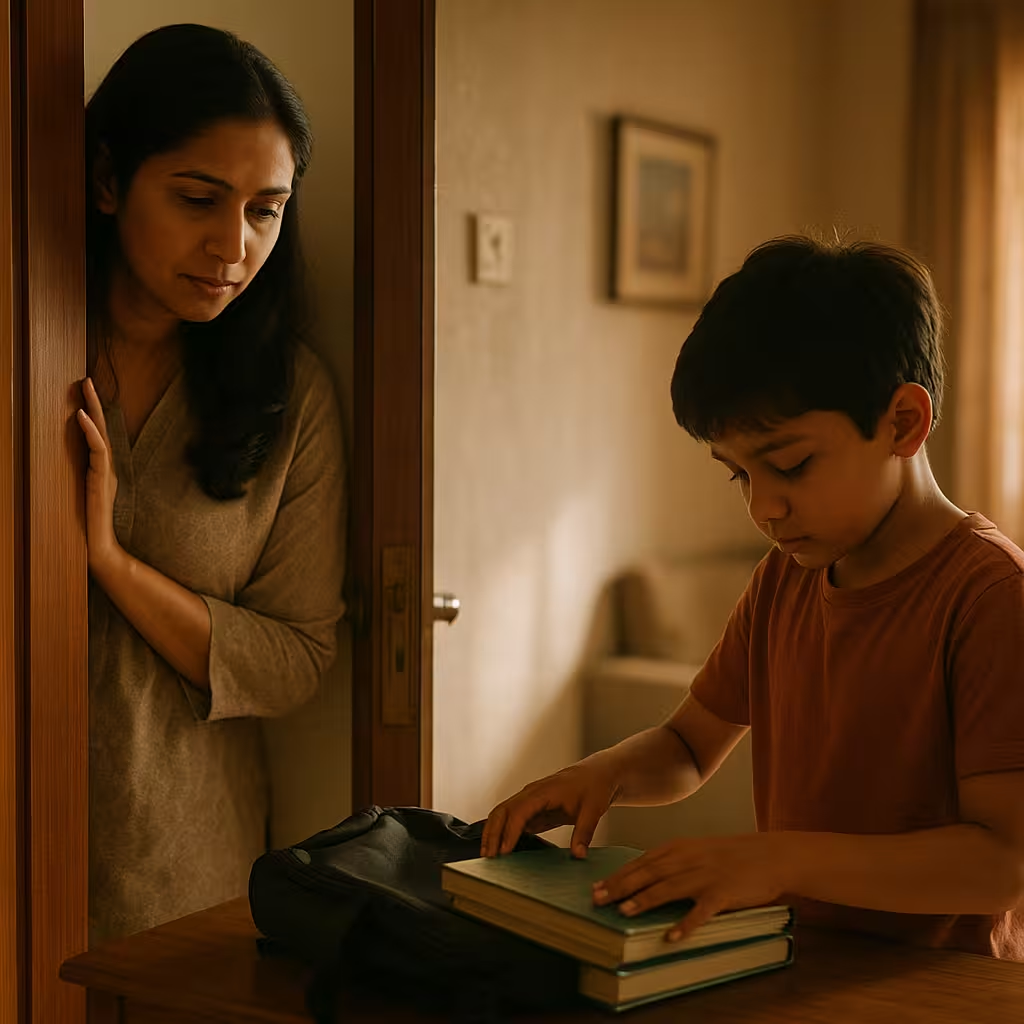
So, if you’re trying to figure out how to talk to an anxious child, noticing early signals helps you step in before fear builds up. Children show anxiety differently from adults. They might complain of stomach aches, cling more, or struggle to sleep because they don’t know how to express emotional discomfort. Sometimes they avoid situations that remind them of the scary thoughts, even if they cannot explain why.
Look for patterns like:
- Restlessness or irritability
- Trouble focusing
- Asking repeated reassurance questions
- Sudden quietness during stressful moments
Using simple child anxiety communication tips during these moments helps them share what’s going on without pressure. When you stay calm and curious, you show them that scary thoughts don’t have to be hidden.
Why Children Hide Their Scary Thoughts
Well, many kids hide scary thoughts because they fear being misunderstood. They worry parents might get upset or think something is wrong with them. Some kids also feel embarrassed because they don’t know how to describe what is happening in their minds. Helping kids express fears becomes easier when you show interest without reacting strongly.
Children often stay silent because:
- They don’t want to trouble their parents
- They believe their thoughts are unusual
- They feel ashamed or confused
- They think adults won’t understand
Guiding children through overwhelming thoughts starts with giving them space to talk at their pace. When they feel accepted, they realise the thoughts don’t define them.
How to Talk to an Anxious Child With Scary Thoughts
So, when you’re trying to figure out how to talk to an anxious child, it helps to slow down and think about what they actually need in that moment. Children don’t always understand why thoughts feel so loud or frightening. I think your calm presence becomes the anchor they look for, even before your words. You know how sometimes kids speak in bits and pieces? Those small clues tell you where their fear is hiding. When a child scared of their thoughts opens up, the goal is not to correct them quickly but to make space for whatever they’re trying to say. This makes it easier for them to trust you with the details they’re holding back.
Child Anxiety Communication Tips Every Parent Should Know
Here’s the thing, communication with an anxious child is less about perfect language and more about showing that you’re listening. Children look at your face, tone, and patience to decide whether it feels safe to talk. Simple communication habits can shift the whole conversation and help them feel heard.
Some helpful approaches include:
- Using short, gentle sentences they can follow
- Asking open questions like “What did your mind show you?”
- Giving them extra time to reply without rushing
- Keeping your voice steady even when they seem upset
- Sitting beside them instead of in front to reduce pressure
Helping Kids Express Fears Safely and Calmly
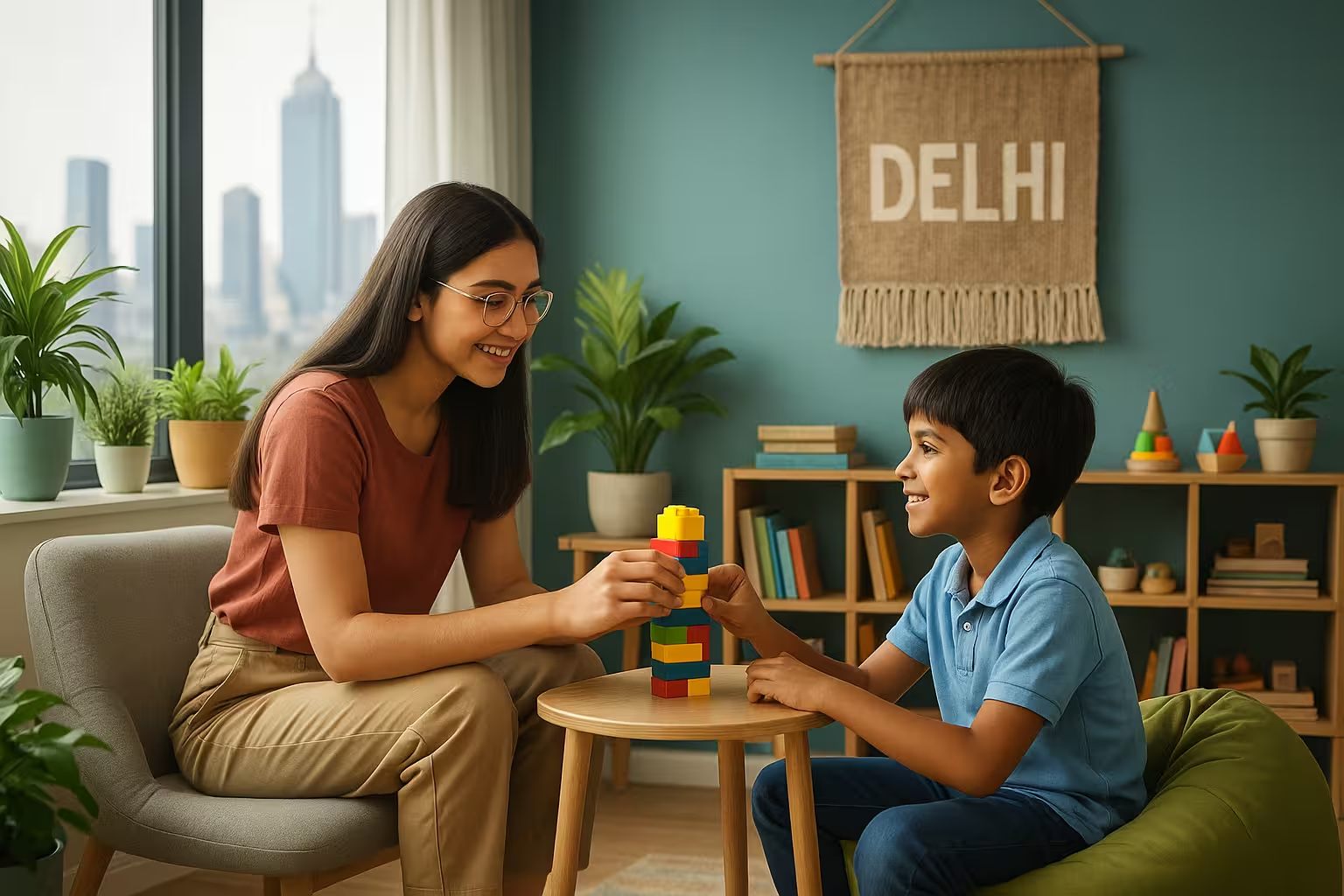
So, helping kids express fears often starts with making the environment feel safe. Children talk more when they sense acceptance. You know how sometimes they pick up a toy or start drawing while talking? These actions actually help them organise confusing thoughts. When you keep the atmosphere warm, you invite them to speak without fear of judgment.
A few ways to make sharing easier include:
- Offering drawing or story prompts
- Encouraging them to name the feeling behind the thought
- Saying things like “It’s okay, I’m listening”
- Allowing them to pause whenever needed
- Letting them talk while doing a familiar activity
Using child anxiety communication tips in these moments helps reduce tension and builds trust. Many parents notice that once the child feels comfortable, they speak more clearly about what bothered them. When a child scared of their thoughts feels understood, the fear slowly softens.
Guiding Children Through Overwhelming Thoughts With Simple Strategies
Well, guiding children through overwhelming thoughts means giving them tools they can use whenever fear starts rising. Kids respond well to steps that feel simple and predictable. I think the key is to show them that thoughts come and go, and they don’t have to react to every single one. Teaching them small grounding strategies can reduce panic and help them feel more in control.
Useful strategies include:
- Helping them take slow breaths while naming what they feel
- Asking them to notice one thing they see, hear, and touch
- Showing them how to separate “a thought” from “something real”
- Encouraging them to talk through the thought instead of running from it
- Giving them gentle, repeated reassurance when needed
These steps work well when you’re learning how to talk to an anxious child, because they simplify what feels too big inside their mind. When you practise them often, guiding children through overwhelming thoughts becomes a natural part of your support.
Creating a Safe Emotional Environment for a Child Scared of Their Thoughts
So, when a child scared of their thoughts looks to you for comfort, the space you create around them makes all the difference. I think children open up when they feel accepted rather than questioned. You know how kids notice even small changes in tone or expression? That awareness shapes how safe they feel before sharing anything difficult. A warm environment tells them that their mind can be confusing at times, but you’re right there with them. This gentle sense of safety becomes the foundation for deeper conversations.
Building Trust So Kids Share Their Scary Thoughts
Trust doesn’t happen through one big conversation. It builds slowly through the way you respond to everyday worries. When a child scared of their thoughts hesitates to speak, they’re often testing whether you’ll stay calm. Your steadiness tells them it’s okay to share the confusing ideas their mind throws at them. Even simple routines help them feel grounded.
You can build trust through steps like:
- Listening without reacting too quickly
- Letting them finish their thoughts without interruption
- Keeping your tone gentle even when they seem distressed
- Using small check-in moments during the day
- Offering comfort without forcing explanations
Using Child-Friendly Language to Explain Thoughts and Feelings
Well, explaining thoughts to children in simple language helps them understand what’s happening inside. Kids make sense of ideas through clarity, not complexity. When you’re learning how to talk to an anxious child, the words you choose matter. You know how big concepts can feel confusing even for adults? For children, simple explanations turn their fear into something manageable.
You can make ideas clearer by:
- Using examples they already understand
- Comparing thoughts to passing clouds or stories
- Saying “a thought is just something your mind makes”
- Helping them name what they feel
- Allowing them to describe the thought in their own words
Child anxiety communication tips become especially useful when the child struggles to understand the difference between a thought and reality. Helping kids express fears with simple language gives them confidence to speak up again. This also supports guiding children through overwhelming thoughts by showing them that thoughts come and go.
What Not to Say to a Child Scared of Their Thoughts
So, when a child scared of their thoughts finally shares something with you, the words you choose can either calm them or make the fear grow. I think most parents mean well, but some phrases accidentally increase pressure because kids take everything literally. You know how children watch your reactions closely? Even a small comment can make them feel misunderstood. This section helps you stay mindful of what to avoid so you can protect their sense of safety while talking about difficult thoughts.
Phrases That Increase Anxiety
Children don’t hear tone the way adults do. They absorb the words directly. When they’re already scared, certain common phrases can make them doubt themselves or feel ashamed. A child scared of their thoughts might worry more if they hear something that sounds dismissive. Even simple statements can sound like rejection to a sensitive child.
Phrases that often increase anxiety include:
- “Don’t think like that.”
- “You’re overreacting.”
- “There’s nothing wrong with you, stop worrying.”
- “Why would you even think that?”
- “Just ignore it.”
These comments may seem harmless, but they tell the child that the fear shouldn’t exist, which makes them hide more. When you’re learning how to talk to an anxious child, avoiding dismissive language keeps the conversation open.
Healthy Alternatives Parents Can Use Instead
Well, instead of shutting down the conversation, you can use phrases that show understanding. Children feel lighter when their feelings are treated as valid, even when the thoughts themselves feel confusing. Using child anxiety communication tips here helps build trust. Helping kids express fears becomes easier when you frame your responses with warmth and calmness.
Helpful alternatives include:
- “I’m here with you.”
- “It sounds like that thought felt really strong.”
- “You can tell me anything.”
- “Let’s try to understand what your mind is doing.”
- “It’s okay to feel scared sometimes.”
These phrases create space for guiding children through overwhelming thoughts by making the fear something you face together. They show the child that the thought is manageable and that you’re not judging them. When the child feels accepted, they share more openly and feel less alone.
When to Seek Professional Help
So, when a child scared of their thoughts seems stuck in worry, it can be hard to know if they need outside help. I think parents often wait because they hope things will get better on their own. You know how kids go through phases? Sometimes this is just part of growing up, but sometimes the thoughts feel too big for them to handle alone. A gentle, early step toward support can make a huge difference. This section helps you understand when it’s time to reach out for professional guidance.
Signs It’s Time to Speak to a Child Therapist
Here’s the thing… children don’t always say they’re struggling. Their behaviour usually tells the story first. When a child scared of their thoughts begins avoiding daily activities or becomes unusually quiet, it may be a sign that the thoughts are overwhelming them. You might notice changes in sleep, appetite, or school performance. When the fear sticks around for weeks and doesn’t fade even with your reassurance, it’s a cue to consider help.
Look for signs like:
- Avoiding situations that remind them of the thoughts
- Repeated reassurance seeking
- Sudden mood shifts or irritability
- Trouble concentrating
- Withdrawing from friends or family
If you’ve tried how to talk to an anxious child techniques and things still feel stuck, support from a therapist can help.
“Getting help early is a gift, not a failure.”
How Therapy Helps a Child Who’s Scared of Their Thoughts
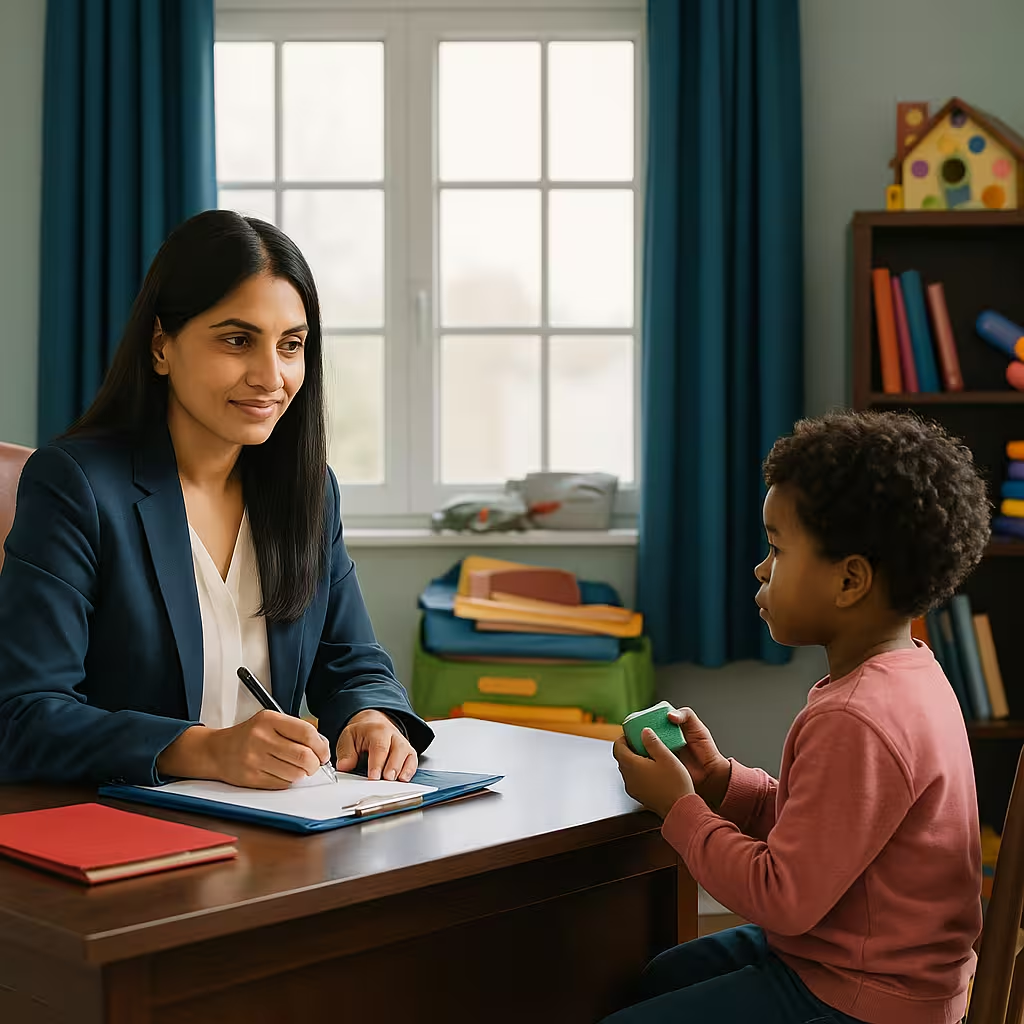
Well, therapy gives children a safe place to understand what their minds are doing. Kids often feel relieved when a trained professional explains that thoughts don’t define who they are. Therapists use simple, structured approaches that help them break down overwhelming ideas. You know how children learn better with clear steps? Therapy offers those steps consistently.
Therapy can help by:
- Teaching grounding skills to manage scary thoughts
- Helping kids separate thoughts from reality
- Giving them tools to understand emotions
- Encouraging them to express feelings safely
- Supporting you with guidance at home
Child anxiety communication tips from a therapist can strengthen what you already do at home. Helping kids express fears becomes easier when the child sees that both you and the therapist are on their side. And guiding children through overwhelming thoughts with professional support gives them long-term confidence. When a child scared of their thoughts learns these skills, they begin to feel more in control of their inner world.
Parent Self-Care While Supporting a Child With Scary Thoughts
So, when you’re helping a child scared of their thoughts, it’s easy to forget your own emotional limits. I think parents often carry the child’s fear along with their own worries, and that builds quiet pressure over time. You know how children sense your energy even before you speak? Your calm presence comes from how well you take care of yourself. Looking after your emotional health isn’t selfish it’s what allows you to stay grounded while guiding them through difficult moments. A steady parent creates a steady space for the child.
Managing Your Own Stress and Reactions
Your reactions set the tone for how your child understands their thoughts. When you’re tired, overwhelmed, or stretched thin, even small moments can feel heavier. A child scared of their thoughts looks to you for cues. If you appear tense, they may think the situation is worse than it is. Managing your stress doesn’t mean hiding your feelings; it means taking small steps to keep yourself balanced.
Simple ways to do this include:
- Taking slow breaths before responding
- Giving yourself short breaks during the day
- Talking to someone you trust
- Setting gentle boundaries when you need them
- Noticing when your emotions rise and choosing to pause
If you’ve been trying how to talk to an anxious child strategies but feel emotionally drained, it’s okay to stop and reset.
Building Patience and Emotional Resilience
Well, building patience takes time, especially when you’re dealing with repeated worries or questions. You know how kids sometimes ask the same thing again and again? It doesn’t mean they’re ignoring you they’re trying to make sense of something confusing. Patience grows when you give yourself room to breathe instead of rushing for solutions.
Ways to build resilience include:
- Accepting that progress will come in small steps
- Reminding yourself that fear doesn’t change your child’s goodness
- Celebrating small improvements
- Practising grounding exercises together
- Letting go of the pressure to “fix everything” immediately
Using child anxiety communication tips can give you a structure to stay calm during tough conversations. Helping kids express fears becomes easier when your own emotions feel steady. And guiding children through overwhelming thoughts becomes more natural when you feel supported from within. With time, your resilience becomes the model your child quietly follows.
Conclusion
So, when you look at the whole picture, supporting a child scared of their thoughts is really about offering steady warmth and simple guidance. You don’t have to solve every fear or thought they share. What matters is that they feel understood. When you know how to talk to an anxious child, conversations become calmer and more open because they sense your patience. Using child anxiety communication tips makes it easier for them to explain what’s going on inside, even when the feelings seem confusing.
Sometimes helping kids express fears means sitting quietly beside them, letting them take their time, and reminding them that their thoughts don’t define who they are. With gentle routines, clear language, and a lot of compassion, you show them that overwhelming moments can be handled together. Over time, this steady support becomes the place where their confidence slowly grows.