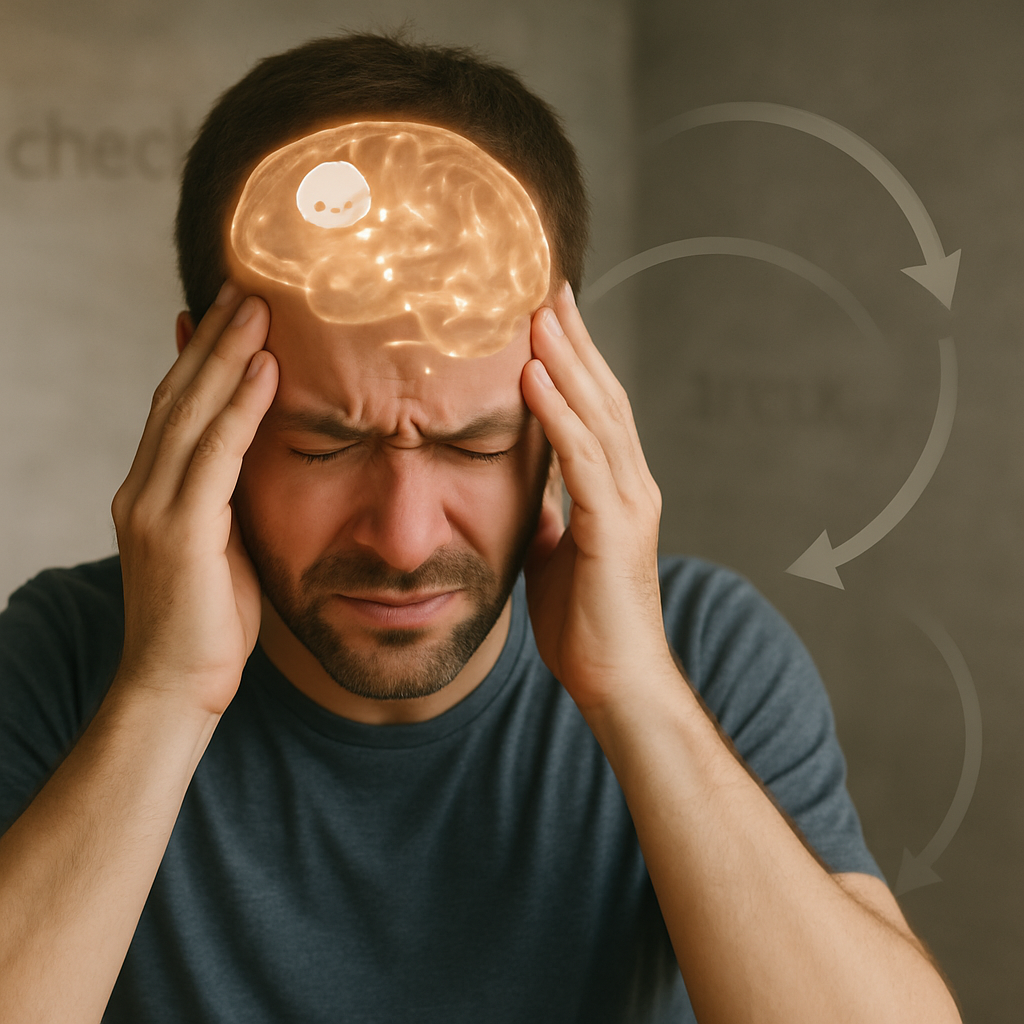
Depression is one of the leading causes of disability worldwide, affecting more than 280 million people globally according to the World Health Organization (WHO). In India alone, studies suggest that one in every 20 people suffers from depression, and less than 30% receive adequate treatment due to stigma and lack of awareness. Depression is not just “feeling sad”; it is a serious mood disorder that can affect your body, mind, sleep, appetite, and relationships. The good news is that effective treatment options exist – and many of them do not rely on medication.
At mypsychologist (India’s trusted online mental health platform), our team of expert psychologists, counsellors, and therapists help individuals recover from depression through evidence-based therapies, counselling, and lifestyle changes.
Understanding Depression: Signs and Symptoms
Depression can affect anyone, children, adolescents, adults, or the elderly. Symptoms usually persist for at least two weeks or longer, and if left untreated, they can last months or years.
Common symptoms include:
- Persistent low mood, sadness, or emptiness
- Loss of interest in activities once enjoyed
- Changes in appetite and unexplained weight loss/gain
- Difficulty sleeping (too much or too little)
- Fatigue and lack of energy
- Feelings of guilt, hopelessness, or worthlessness
- Difficulty concentrating or making decisions
- Recurrent thoughts of death or suicide
Types of Depression
Psychologists classify depression by severity and duration:
- Mild Depression – occasional low mood and disinterest
- Moderate Depression – noticeable difficulty in daily functioning
- Severe Depression – prolonged sadness, suicidal thoughts, extreme fatigue
- Profound/Chronic Depression – long-term condition requiring intensive therapy
Depression Treatment Without Medicine
Contrary to popular belief, not all depression cases need antidepressants. Many individuals benefit from psychotherapy and lifestyle changes. Evidence shows that psychological therapies are as effective as medications for mild-to-moderate depression and have long-lasting benefits.
1. Psychotherapy (Talk Therapy)
Research published in The Lancet Psychiatry shows that therapies such as Cognitive Behavioural Therapy (CBT) can reduce relapse rates by 40–50% compared to medication alone.
- CBT (Cognitive Behavioural Therapy): Teaches patients to identify and replace negative thinking patterns (the “cognitive triad”) with healthier coping mechanisms.
- Behavioural Activation Therapy: Encourages participation in rewarding activities, breaking the cycle of withdrawal and low motivation.
- Mindfulness-Based Cognitive Therapy (MBCT): Combines mindfulness with CBT, proven to cut relapse risk in recurrent depression by nearly 50%.
- Acceptance & Commitment Therapy (ACT): Builds resilience by helping individuals accept painful thoughts and pursue meaningful life goals.
- Interpersonal Therapy (IPT): Focuses on resolving relationship conflicts and life transitions that may trigger depressive episodes.
- Psychodynamic Therapy: Helps patients uncover unconscious patterns rooted in past experiences.
2. Social & Lifestyle Interventions
Lifestyle changes can be powerful tools for managing depression.
- Exercise: A Harvard Medical School study found that 30 minutes of brisk walking daily can reduce depressive symptoms as effectively as antidepressants in many people.
- Sleep Hygiene: Maintaining regular sleep schedules reduces risk of relapse by improving mood regulation.
- Diet & Nutrition: Diets rich in omega-3 fatty acids (salmon, walnuts) and folate (leafy greens, legumes) are linked to reduced depressive symptoms.
- Meditation & Relaxation: Yoga, breathing exercises, and progressive muscle relaxation lower stress hormones like cortisol.
- Social Support: Research shows people with strong social connections are 50% less likely to develop depression.
- Routine & Goal Setting: Creating a structured daily schedule provides stability and prevents the “one day melting into the next” pattern seen in depression.
Why Choose Therapy First?
Medication can be lifesaving for severe depression, but for many people, therapy-first approaches:
- Avoid side effects of long-term antidepressant use
- Provide coping tools that last beyond treatment
- Reduce relapse rates more effectively
- Empower patients to understand and manage their condition
Depression Recovery: Hope and Healing
Depression is treatable and manageable. Recovery requires patience, persistence, and the right support system. At mypsychologist, we offer personalized therapy plans, ensuring that every client finds the approach that works best for them.
“Depression is not a sign of weakness. It’s a signal that your mind and body need healing – and with the right support, recovery is possible.”