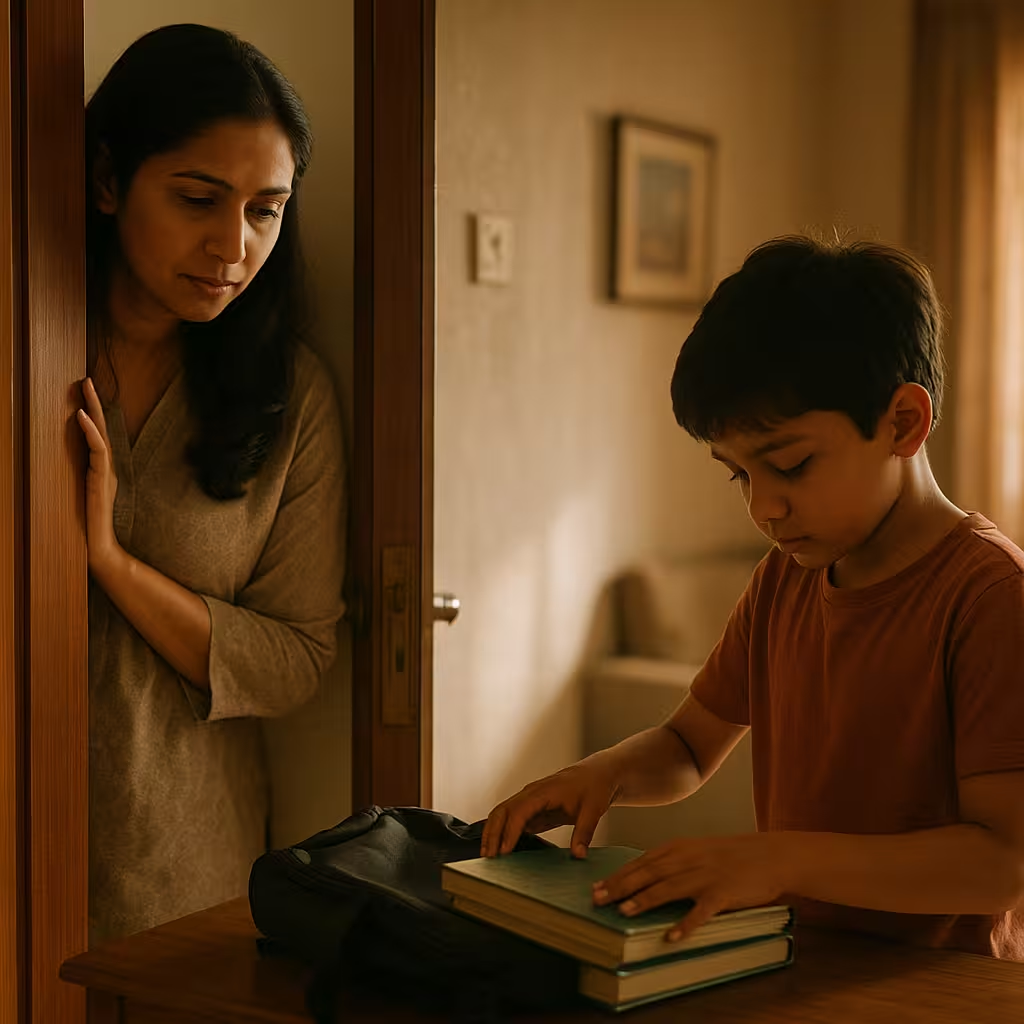
It can feel worrying when your child tells you about images or ideas that sound strange or intense, but many children experience these moments. Their minds grow fast, and they try to make sense of new experiences every single day. So sometimes their imagination mixes with fear, and this leads to scary thoughts in kids that appear suddenly. Some children also show patterns that look like intrusive thoughts in children, especially when they face stress, change, or confusion. You may notice this more during school pressure, family transitions, or when they come across something unexpected.
Many parents quietly wonder why kids have scary thoughts and whether it means something serious. Most of the time, it does not. A child’s emotional world is still forming, and these thoughts often fade as they gain confidence and feel more supported. When you stay calm and listen to them without judgment, it helps them feel safe and understood. Children learn quickly when they feel supported, and your presence gives them the space they need to make sense of their inner world.
“Children feel safer when adults stay steady through their fears.”
Understanding Scary Thoughts in Kids and Intrusive Thoughts in Children
Children go through many emotional changes as they grow, and these changes shape how they think and react. Sometimes these reactions appear as strong images or ideas that feel unusual to adults. This is why many parents notice patterns where scary thoughts in kids come and go, especially during busy routines or moments of uncertainty. You also see intrusive thoughts in children when they try to understand new experiences.
A helpful thing to know is that children make sense of their world by mixing imagination and emotion, and these moments often settle naturally as they feel more secure. Research from the Child Mind Institute explains how some children worry about bad thoughts, why such thoughts may come, and how kids with support can learn to move through them. When you stay steady and comforting, children learn to handle their feelings with more confidence.
Why Kids Have Scary Thoughts Explained Simply
Children absorb everything around them, and their minds react quickly to new or confusing situations. Their imagination often runs ahead of their understanding, and this creates moments that feel intense or sudden. These reactions become clearer during tired evenings, busy mornings, or after unexpected events. Patterns linked to why kids have scary thoughts often appear when children try to make sense of emotions they don’t have words for yet. At the same time, intrusive thoughts in children can show up during stressful days or when routines shift.
• Children react strongly to new sounds, places, or changes
• Their imagination sometimes feels real to them
• Support helps them process thoughts more easily
The presence of scary thoughts in kids does not automatically mean something serious. It often reflects growth, emotional learning, and moments when the child simply needs calm reassurance.
Normal Childhood Fears and What They Mean
Many children experience normal childhood fears as a natural part of growing up. These moments appear when they explore new spaces, face loud noises, or imagine things they have seen or heard. Children express these fears in different ways, like holding on to an adult more tightly or avoiding certain places. These experiences help them understand what feels safe and what needs more courage. As they grow, these fears settle, especially when adults respond with warmth and stability. The presence of scary thoughts in kids during this phase often reflects a mind trying to understand new experiences.
• Fears rise when children face unfamiliar things
• Early worries often fade with routine and comfort
• Gentle guidance teaches children how to feel safe
When Intrusive Thoughts in Children Cross Normal Limits
There are times when intrusive thoughts in children feel stronger than expected and start affecting their comfort. You may notice small shifts, like the child becoming quieter, scanning their surroundings more, or stepping back from certain tasks. These patterns can appear during big transitions, emotional overload, or after sudden changes in routine. Children sometimes hold these feelings inside, which makes the thoughts feel heavier. This is why early attention and a steady approach help them relax and regain balance. When scary thoughts in kids appear more often or affect their daily flow, support becomes important.
• Strong patterns may signal internal stress
• Sudden changes can intensify unwanted thoughts
Why Kids Have Scary Thoughts and What Triggers Them
Children react sharply to their surroundings, and their minds respond to emotions much faster than adults realise. During busy days or sudden changes, they may feel unsure, and this creates space for strong images or ideas. These moments often reflect why kids have scary thoughts, because their inner world is still forming and they try to understand everything at once. When a child sees something confusing, feels stressed, or goes through a shift in routine, their reactions can become intense.
Parents may notice small changes in behaviour, like sudden pauses, clinginess, or quietness before new situations. Many of these reactions stay within normal childhood fears and fade when comfort and stability return. Children move through these phases more smoothly when adults stay steady and patient, because emotional support gives them the space to feel safe again.
Common Daily Triggers Behind Scary Thoughts in Kids
Many children experience moments tied to strong reactions during normal routines. These moments appear when they wake up tired, move through noisy environments, or face tasks that demand sudden attention. The mind reacts quickly, and this can lead to patterns that look like scary thoughts in kids. Even simple things such as pressure to finish homework or rushing through school mornings can create stress. When days feel overwhelming, intrusive thoughts in children may appear more often, especially if they try to hold their feelings inside. Children express these feelings in small ways like hesitation, fidgeting, or staying unusually quiet.
• Busy mornings or transitions can create emotional pressure
• Sudden noise or activity increases sensitivity
• Overthinking small moments makes thoughts feel heavier
How Media, Stress, and Change Shape Normal Childhood Fears
Children absorb what they see and hear very quickly, and media plays a strong role in shaping their reactions. During moments of stress or exposure to intense content, they may create strong images in their minds. These reactions become part of normal childhood fears, especially when the child tries to understand something beyond their age. You may see small signs through tightened expressions, slower responses, or increased caution during new experiences. Stress at school, changes at home, or unfamiliar places can turn normal feelings into stronger thoughts. The presence of scary thoughts in kids during these times often reflects emotional overload rather than something serious.
• Intense scenes stay longer in a child’s imagination
• Stressful days can make simple fears feel stronger
• Sudden changes affect how children process feelings
“Children feel more settled when the world around them stays gentle and predictable.”
How to Help a Child With Scary Thoughts at Home
Children cope better with emotions when adults create a calm and steady space around them. Many parents want to understand how to help a child with scary thoughts during moments when their feelings build up quietly. These thoughts often appear during busy days, tired evenings, or sudden changes in the home environment. When children feel unsettled, scary thoughts in kids tend to rise because their emotions feel bigger than their words. This support becomes even more important when intrusive thoughts in children appear during transitions or moments of pressure. Early comfort helps children settle and move through normal childhood fears with more confidence.
What Parents Can Do When Kids Share Intrusive Thoughts
Children feel safer when parents stay calm during moments of confusion. When intrusive thoughts in children appear, adults can guide them gently by keeping routines steady and offering clear reassurance. You may notice small changes in behaviour like slower movement, clinginess, or silence before they speak. These moments show the child’s need for connection. Parents help most when they respond with simple explanations and consistent comfort. This steady approach also helps regulate scary thoughts in kids during stressful times.
• Simple routines make children feel grounded
• Calm responses help them open up more easily
• Gentle explanations reduce emotional pressure
How to Talk About Normal Childhood Fears Safely
Children understand emotions better when adults speak in simple and steady ways. Normal childhood fears often appear when children meet new places, sounds, or people. Parents can help by using soft tones, short sentences, and slow pacing to guide them through these feelings. This keeps children from feeling overwhelmed. As the child listens, they slowly learn that these emotions are part of growing up. Even when the day feels heavy, they find comfort through calm conversations. The presence of scary thoughts in kids during these phases often shows their mind trying to understand something new.
• Slow explanations reduce confusion
• Familiar routines give emotional stability
• Warm tone helps children absorb guidance
When to Seek Professional Guidance for Scary Thoughts in Kids
Professional support becomes important when scary thoughts in kids begin affecting their daily comfort. You may notice signs like withdrawal, restlessness, or avoidance of simple tasks. These reactions may reflect emotions they cannot express yet. When these moments grow frequent, early guidance helps children regain balance. A therapist or counsellor can teach coping techniques and help parents understand behaviour patterns. This support is especially useful when intrusive thoughts in children feel stronger than expected or stay for long periods. With timely attention, children develop confidence and feel safer navigating emotions.
• Frequent distress signals deeper emotional load
• Early support prevents thoughts from growing heavier
• Professional guidance strengthens coping skills
Building Emotional Safety for Scary Thoughts in Kids
Children feel more secure when their environment stays steady, predictable, and warm. Emotional safety becomes the foundation that helps them manage inner experiences, especially during moments when scary thoughts in kids feel heavier than usual. When routines stay consistent, children understand what comes next, which lowers confusion and reduces emotional overload.
These patterns also help when intrusive thoughts in children appear during stressful days. Parents play an important role in shaping this sense of safety because their tone, behaviour, and responses guide how the child interprets daily challenges. Even during normal childhood fears, small adjustments at home make a big difference. When adults learn how to help a child with scary thoughts through simple, steady actions, children begin to trust their environment more deeply.
Daily Routines That Reduce Scary Thoughts in Kids
Children settle better when their days follow a gentle rhythm. Simple activities give them a sense of direction and help their emotions stay organised. These routines work in different ways, especially when scary thoughts in kids appear during transitions or changes. Children often respond positively to familiar steps like evening wind-down time, slow mornings, and predictable bedtime practices. These moments help balance emotional pressure and create a sense of safety that protects against normal childhood fears. Parents may notice fewer signs of worry when the day feels organised and calm.
• Familiar steps increase comfort
• Soft transitions lower emotional strain
• Predictable evenings help settle active minds
How Parents Can Model Calmness Through Normal Childhood Fears
Children watch adults closely, and they learn how to respond by observing tone, movement, and reactions. When parents stay steady during normal childhood fears, children feel more confident facing their own emotions. Calm behaviour shows them that feelings can be handled in simple ways. Many children follow the pace set by the adults around them, especially when the day feels overwhelming. Even when scary thoughts in kids appear, a parent’s slow voice or relaxed posture teaches them to slow down inside. This is how they learn emotional balance in real time.
• Soft expressions make children feel safe
• Slow speech helps them regulate
• Gentle behaviour shows them how to respond
Conclusion
Children move through emotions in ways that change as they grow, and these moments often feel stronger than they appear. Many families want to understand how to support these shifts, especially when scary thoughts in kids seem sudden or confusing. Most children go through phases where their imagination becomes intense, and this can show up as unwanted ideas, images, or fears. Some patterns also look like intrusive thoughts in children, especially during stressful days or big changes. When parents stay steady and offer simple guidance, children begin to feel safer.
Comfort, routine, and clear communication help children build confidence in their emotional world. With patient support, they learn how to recognise feelings and express them in healthy ways. Parents also understand how to help a child with scary thoughts by keeping the environment warm and predictable. These small steps shape stronger emotional balance, and children carry this sense of safety forward as they grow.