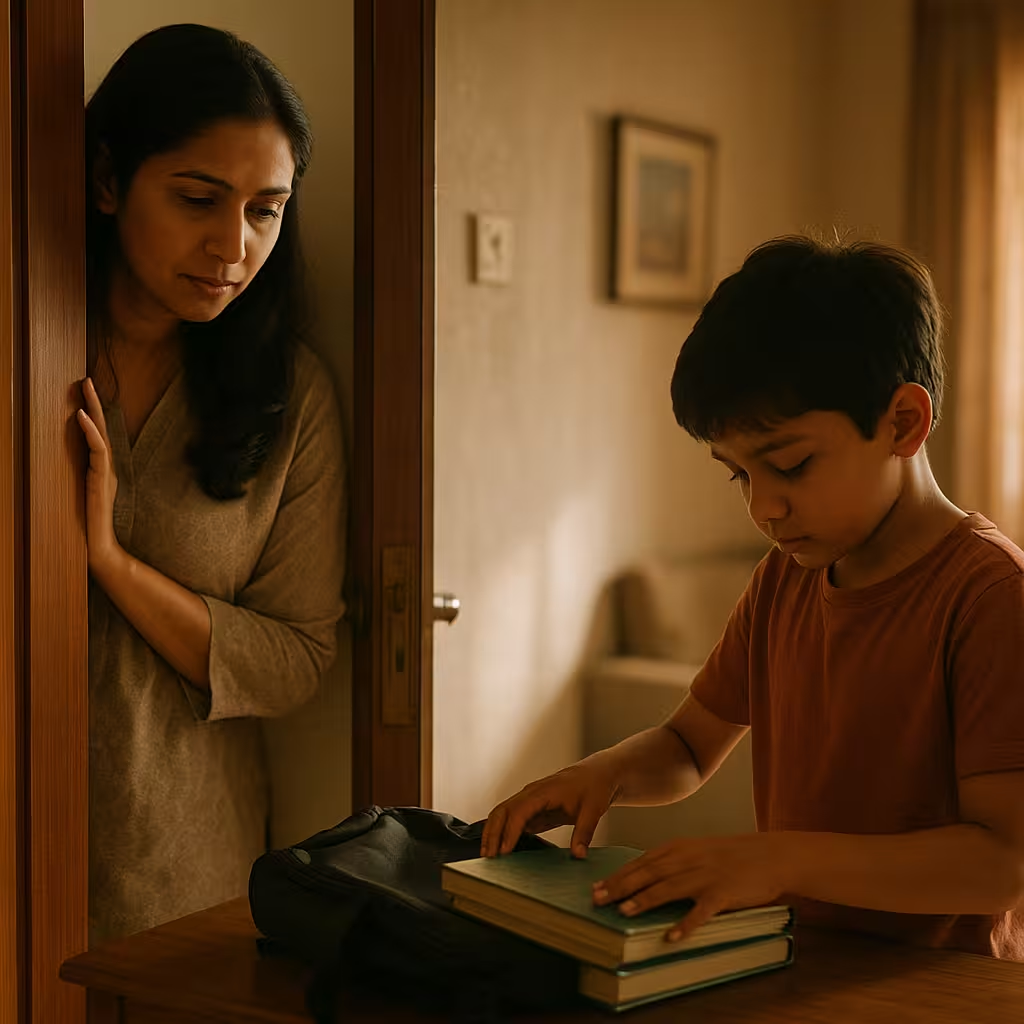
Sometimes it starts with the smallest thing. A child checks their school bag again and again, avoids stepping on certain tiles, or feels the need to wash their hands just one more time. You smile and maybe joke, “My kid is so particular.” But then the same worry and the same routine shows up every day.
That is usually how OCD in children slips in quietly, through habits that look harmless. Recognizing OCD in children early is hard because it does not arrive suddenly or shout for attention. It hides inside ordinary actions that feel normal at first. Parents do not miss the signs because they are careless. They miss them because OCD looks so much like discipline, curiosity, or care.
Here is the important part. When your child’s routines start feeling like rules they must follow, even when it upsets them, pause and pay attention. These are the early signs most parents overlook, not out of neglect, but out of love and misunderstanding.
“Most OCD in kids does not scream for attention. It hides behind good behaviour.”
So next time your child’s little habits take too much space in their day, don’t panic. Observe. What seems small today might be your chance to protect their peace tomorrow. Recognizing OCD in children early can make a lifetime of difference.
Why Parents Often Overlook the Early Signs
Most parents never realize their child’s behaviour could be linked to OCD. And honestly, that is not their fault. OCD does not look alarming at first. Kids with OCD often appear careful, organized, or obedient. Those traits feel like something to be proud of. Parents usually see them as signs of discipline, not distress.
But when a routine becomes a rule your child must follow to feel safe, it is not discipline anymore. It is distress. These subtle symptoms OCD kids show often get mistaken for good manners or perfectionism. A parent may not notice that what looks like being careful is actually their child trying to manage hidden fear. Recognizing OCD in children early helps catch these moments before they become patterns of anxiety and guilt.
Everyday Habits That Hide Obsessive Compulsive Behavior
Some OCD patterns start so small they blend into everyday life. You might notice your child:
- Taking too long to get ready for school.
- Repeating a question or sentence again and again for reassurance.
- Arranging toys, books, or clothes in a strict order.
- Avoiding objects they call dirty, unlucky, or bad.
At first none of this looks dangerous. Many parents smile proudly, thinking their child is just particular. But when these habits repeat so much that they cause stress, delays, or tears, it is time to look closer.
A study reports that early OCD symptoms in children are often mistaken for discipline or overthinking. Recognizing OCD in children at this stage can prevent deep rooted emotional distress later and make recovery smoother.
Sometimes these small habits are the child’s way of coping with a thought they cannot control. It is not about perfection. It is about finding relief. If parents observe calmly and kindly, they can intervene early, before the fear grows stronger.
Why Early Symptoms Are Mistaken for Discipline or Anxiety
Parents often praise neatness, order, or focus and say, “My child is responsible.” But OCD hides behind the same qualities. What looks like carefulness is often fear driven repetition, a way to keep anxiety under control.
Children with OCD are not trying to be perfect. They are trying to feel safe. The difference shows in how they react when stopped. A disciplined child will move on if interrupted. A child with OCD may panic, cry, or feel that something terrible might happen. That is the fine line between structure and compulsion.
Most families do not spot this difference right away. Parents assume the child is sensitive or emotional. But this misunderstanding can make children feel unseen. Once parents understand these actions are driven by fear, they can respond with empathy instead of correction. That is the heart of recognizing OCD in children.
Understanding What OCD Looks Like in Children
Recognizing OCD in children is not always easy. It does not always look like panic or tears. Sometimes it is silent. A child might keep rechecking homework, wash hands repeatedly, or refuse to sleep unless things are arranged just right.
To you it may look like small quirks, but to them it is relief from a thought that keeps coming back. Many kids do not have the words to explain what is inside their mind. They say things like, “It does not feel right,” or “I need to do it again.” Parents often call this stubbornness, but in reality it is how they manage invisible anxiety.
Spotting these quiet behaviours early not only helps manage OCD but also helps your child talk about feelings. When children learn their thoughts can be handled safely, it changes everything.
Common Behavioural Symptoms at Home and School
You might notice your child:
- Rewriting homework until it feels perfect.
- Checking their bag many times before leaving home.
- Refusing to touch doorknobs, toys, or school materials.
- Taking extra time to finish simple tasks like tying shoes.
Teachers may think these are distraction or laziness, but they come from fear. When kids repeat things because of anxiety, they are not being difficult. They are trying to feel safe.
Sometimes these behaviours show up in class. A teacher may see a child erasing and rewriting a word again and again, or asking for reassurance too often. These are not discipline issues. They are coping mechanisms. The International OCD Foundation notes most children begin showing compulsive behaviours between ages six and ten, often before they can explain what is happening. Parents who spot these traits early can help their child recover faster, often with minimal therapy.
Emotional Signs That Help You Identify OCD Behaviour
OCD affects feelings as much as actions. You may notice:
- Sudden anger when routines are interrupted.
- Constant worry about contamination or harm.
- Frequent reassurance seeking: “Am I safe?” or “Did I do it right?”
- Mood swings, restlessness, or sadness without a clear reason.
These are not attention seeking. They are signs your child’s mind is overloaded. Thoughts get stuck in loops, and behaviours bring temporary control.
Many children describe it as “a thought that does not leave.” When you identify OCD child signs early, you give them a chance to talk about their fears before they become overwhelming. A calm question often helps them open up.
“When a child gets upset over something small, look beyond the action. Look for the fear.”
Difference Between Normal Habits and Obsessive Compulsions
Sometimes it’s tricky to know when a normal habit turns into something more. Kids love routines they find comfort in predictability. A little one might hum the same tune every night, line up their toy cars just right, or double-check their homework before showing it to you. It all looks sweet and harmless, right? Most of the time, it is. But sometimes, what starts as a small comfort can slowly turn into something your child has to do, not something they wants to do. That’s when it’s time to look closer.
Here’s the thing recognizing OCD in children often starts with noticing this shift. A habit that once made them happy suddenly starts making them anxious. You might see them get upset if you move a toy or if they can’t finish a routine “properly.” It’s not about being stubborn. It’s their mind trying to calm an invisible worry. The sooner you spot that change, the sooner you can help your child feel safe again.
How to tell the difference:
- Habits are flexible. If interrupted, the child moves on.
- OCD rituals cause distress if interrupted.
- Habits bring comfort. OCD brings pressure and fear.
If your child’s routines feel like rules, it is not normal discipline. It is a way to manage fear. Recognizing OCD in children at this stage prevents emotional exhaustion later and helps them learn that not every thought needs a reaction.
When parents step in early, they save their child months of hidden distress. It is not about labeling. It is about understanding.
Subtle Patterns That Matter
Children with OCD often believe something bad will happen if they do not follow a specific action or thought. They might:
- Count while doing tasks.
- Repeat words or phrases.
- Tap objects in a pattern.
These small acts bring temporary relief, but the fear returns. Over time the cycle strengthens and becomes part of daily life. Recognizing OCD in children early is crucial because the earlier you spot the pattern, the easier it is to help your child break free.
Many symptoms OCD kids show in this phase appear harmless but are actually attempts to control anxiety. Parents can guide them with calm reassurance instead of correction. Quiet observation is the first step in recognizing OCD in children and preventing fear based habits from growing.
When Fear and Guilt Become Part of Routine
Many children with OCD carry guilt, believing they are responsible for preventing bad things. They may think, “If I do not check the window three times, something bad will happen to my mom.”
Common signs include:
- Saying sorry too often.
- Redoing simple tasks repeatedly.
- Avoiding objects or numbers they think are unlucky.
When parents start noticing these early patterns, seeking OCD counselling for children can give the child the right support at the right time. This guilt weighs heavily. It shows in constant tension, tiredness, or irritability. Recognizing OCD in children early breaks this burden before it becomes part of their personality.
Child Anxiety and OCD: How to Tell Them Apart
Anxiety and OCD often look similar, but they are not the same. Anxiety is about real worries: exams, friendships, safety. OCD is about imagined fears that feel real. An anxious child might worry about failing a test. A child with OCD may believe that failing could cause harm to the family.
Key emotional differences:
- Anxiety has clear causes. OCD often does not.
- OCD pushes the child to perform rituals to undo bad thoughts.
- Anxiety is eased by reassurance. OCD is only eased by rituals.
Understanding this child anxiety OCD difference helps parents comfort a child without feeding the compulsion. It is a delicate balance. Reassurance should soothe, not strengthen a ritual.
How to Observe Without Overreacting
When you notice a pattern, don’t rush to correct it. Take a step back and just watch. Notice what triggers OCD your child and how they react afterward. Do they look relieved? Worried? Tired? These little details tell you more than the behaviour itself. You can even jot them down somewhere it helps later when you talk to a therapist or counsellor.
Try not to say things like, “Stop doing that” or “That’s nothing.” Instead, ask gently, “Does this make you feel better?” or “What happens if you don’t do it?” Simple, calm questions like these show your child that you’re trying to understand, not control them.
Recognizing OCD in children often begins in these quiet moments of observation. When you stay calm, your child feels safe enough to open up. That patience becomes a bridge from fear to trust, from confusion to comfort. Sometimes, doing less really helps you understand more.
When It Is Time to Seek Professional Help
If your child’s OCD like behaviours take more than an hour daily or affect sleep, school, or play, reach out. Studies show children who receive therapy within the first year recover faster and are less likely to relapse.
Sometimes parents worry therapy will label their child. In truth early therapy is the kindest step you can take. It gives your child tools to manage thoughts and feelings. Recognizing OCD in children early ensures treatment starts while thought patterns are still flexible and easier to reshape.
Why Recognizing OCD Matters for Mental Health
A small fear ignored for too long can start to feel like part of who we are. That is what happens when OCD goes unnoticed. Repetitive habits and looping thoughts can slowly shape a child’s confidence and behaviour. Catching OCD early stops it from defining your child. Early intervention helps them separate personality from condition. They learn that thoughts do not have to control life. This prevents anxiety from spilling into school, friendships, and sleep.
Recognizing OCD in children early is not just good for treatment. It is good for your child’s whole mental health. It teaches them their emotions can be understood, fears managed, and thoughts kept in check.
Conclusion
When parents start recognizing OCD in children with calm and compassion, everything changes. Early recognition means your child learns thoughts can be managed, not hidden. It teaches them emotions are not weakness but signs the mind needs care. Most symptoms OCD kids show repetitive checking, washing, or reassurance seeking are not disobedience but distress. When you notice these patterns and respond with calm instead of anger, you break the cycle of shame and silence OCD creates.
Learning to identify OCD child behaviour early is one of the most powerful things a parent can do. It is not about labeling. It is about being aware. Seeing the difference between a habit and a compulsion empowers your child to fight the invisible fear driving their rituals. Remember, obsessive compulsive behaviour children experience is not their fault. It is a pattern their brain creates to feel safe. With early guidance, therapy, and your patience, your child can unlearn that pattern and live with peace and normalcy again.
“Recognizing OCD in children is not just about spotting signs. It is about giving them their freedom back.”